Long before museums and documentaries brought his name back into the spotlight, Urban Youth Racing School was teaching young people about Charlie Wiggins. For 28 years, his story has been part of how we introduce students to motorsports and STEM.
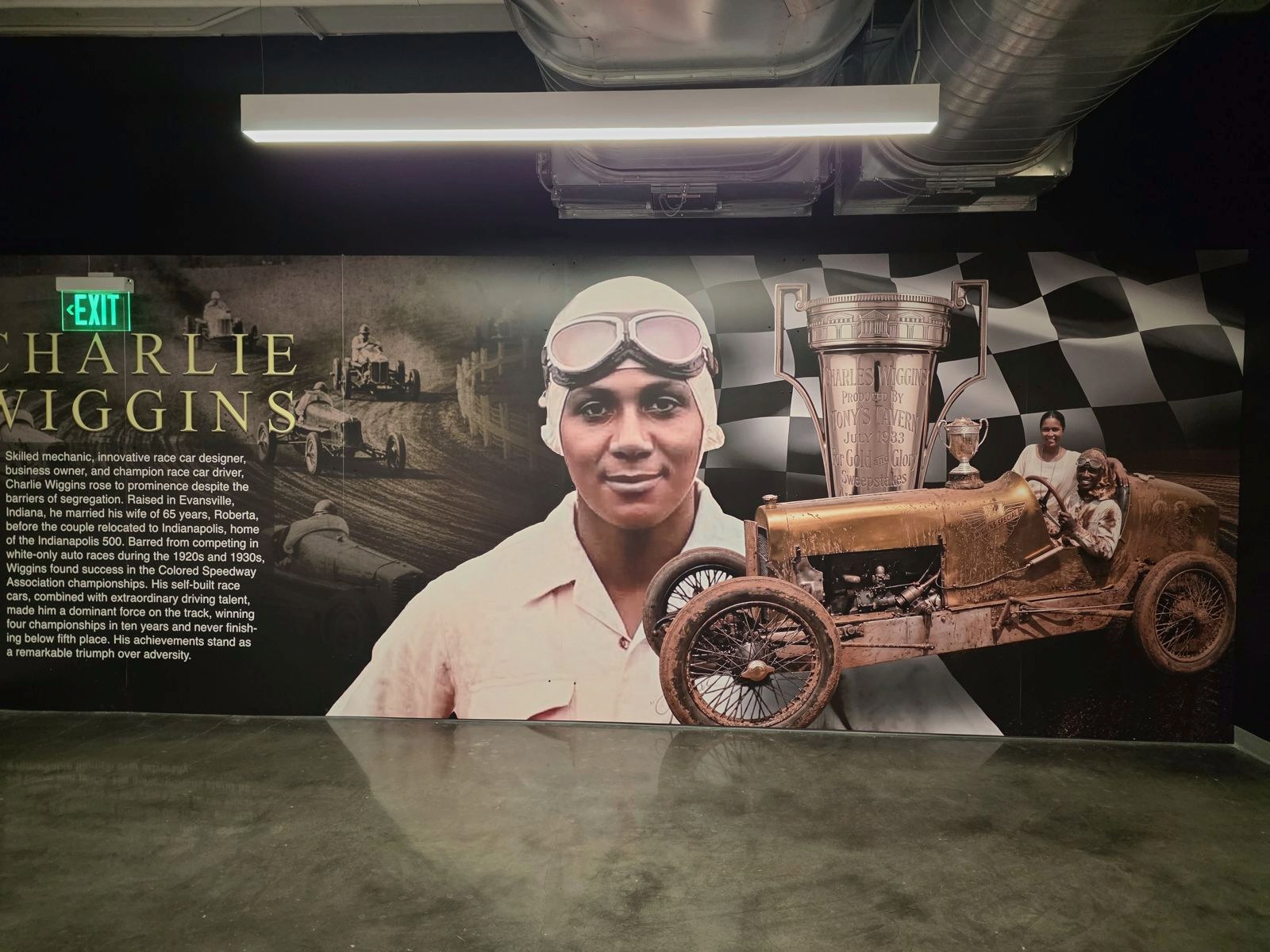
We teach Charlie not simply as a champion driver, but as a mechanic, engineer, builder and business owner who refused to let a closed door end his dream. When he couldn’t race at the Speedway, he helped build a circuit of his own.
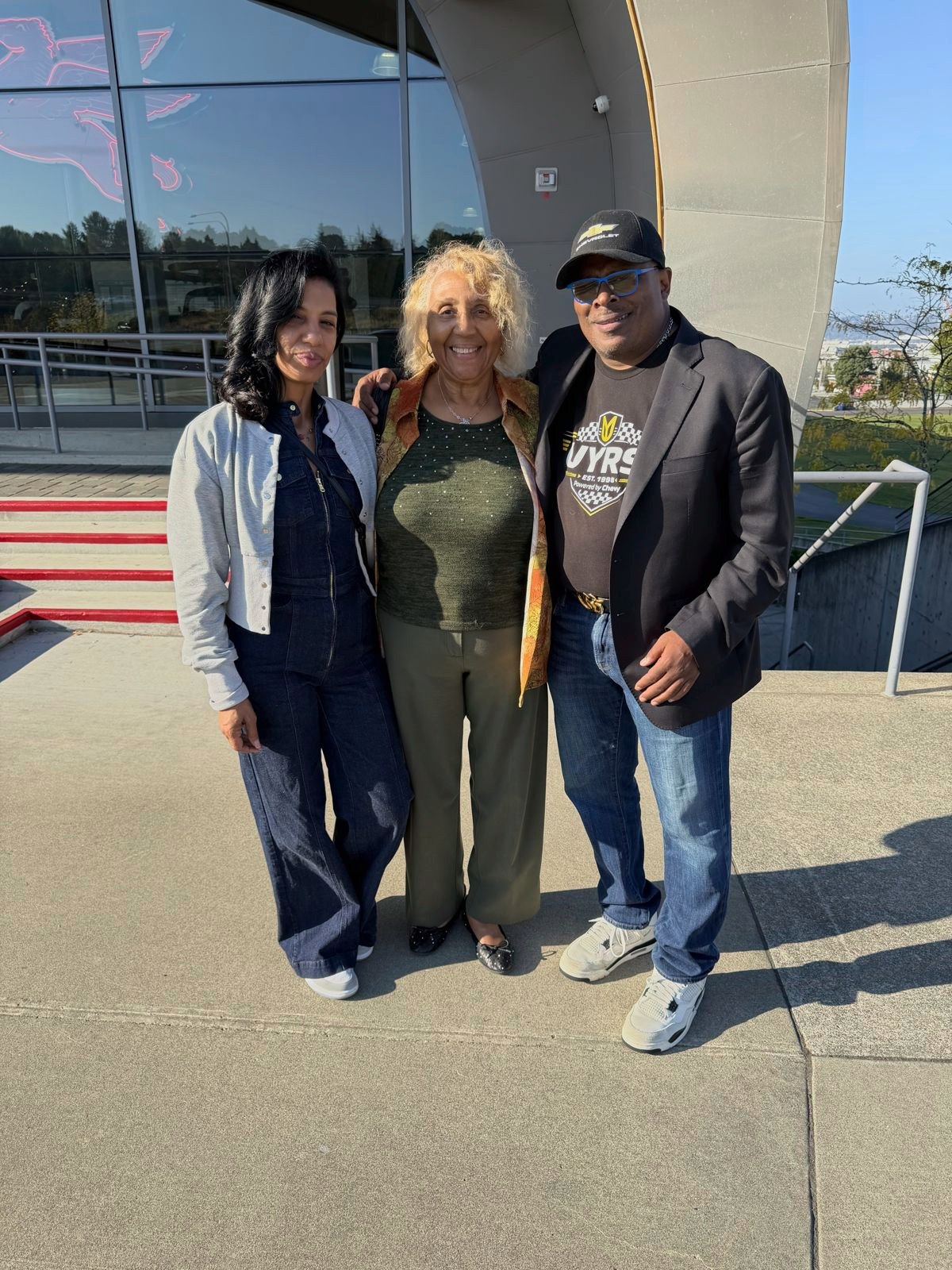
In 2026, that journey came full circle. At the opening of For Gold & Glory at LeMay – America’s Car Museum, Anthony and Michelle Martin met Angi Rogers, Charlie Wiggins’ niece, for the first time.
Watch the legacy
Documentaries and features on Charlie Wiggins and the Gold & Glory Sweepstakes.
For Gold & Glory: A Tribute to Charlie Wiggins
LeMay – America’s Car Museum
A once forgotten race car is bringing history back to life
Racing Through History: UYRS Celebrates the Legacy of Charlie Wiggins
Our full story from the opening of For Gold & Glory: The Charlie Wiggins Story at LeMay – America’s Car Museum, including the 1925 Wiggins Special, Roberta Wiggins, and meeting Charlie’s niece, Angi Rogers.
Driver. Mechanic. Builder. Businessman. Mentor. And the people whose lives crossed his.
1896
Roberta is born
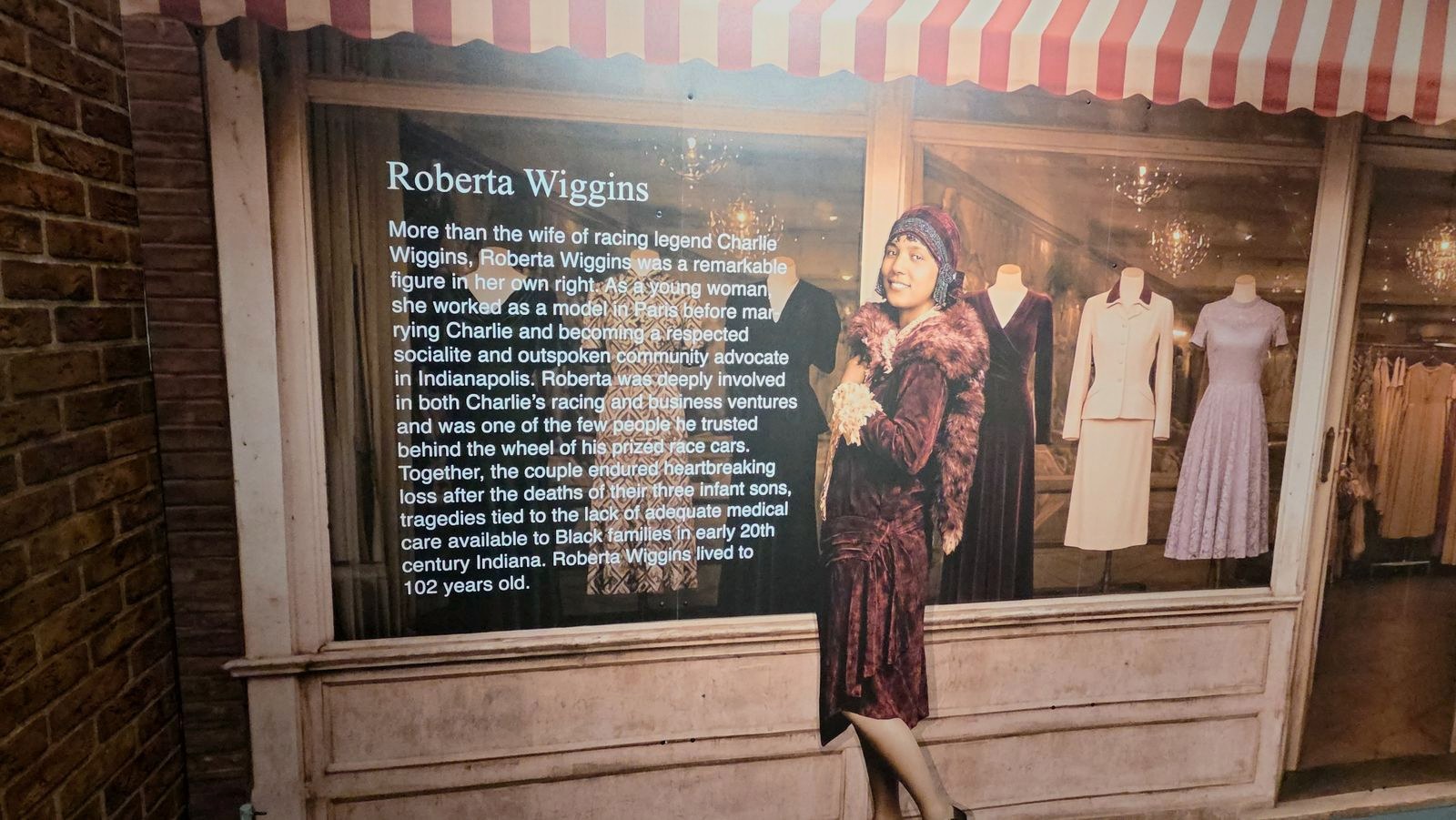
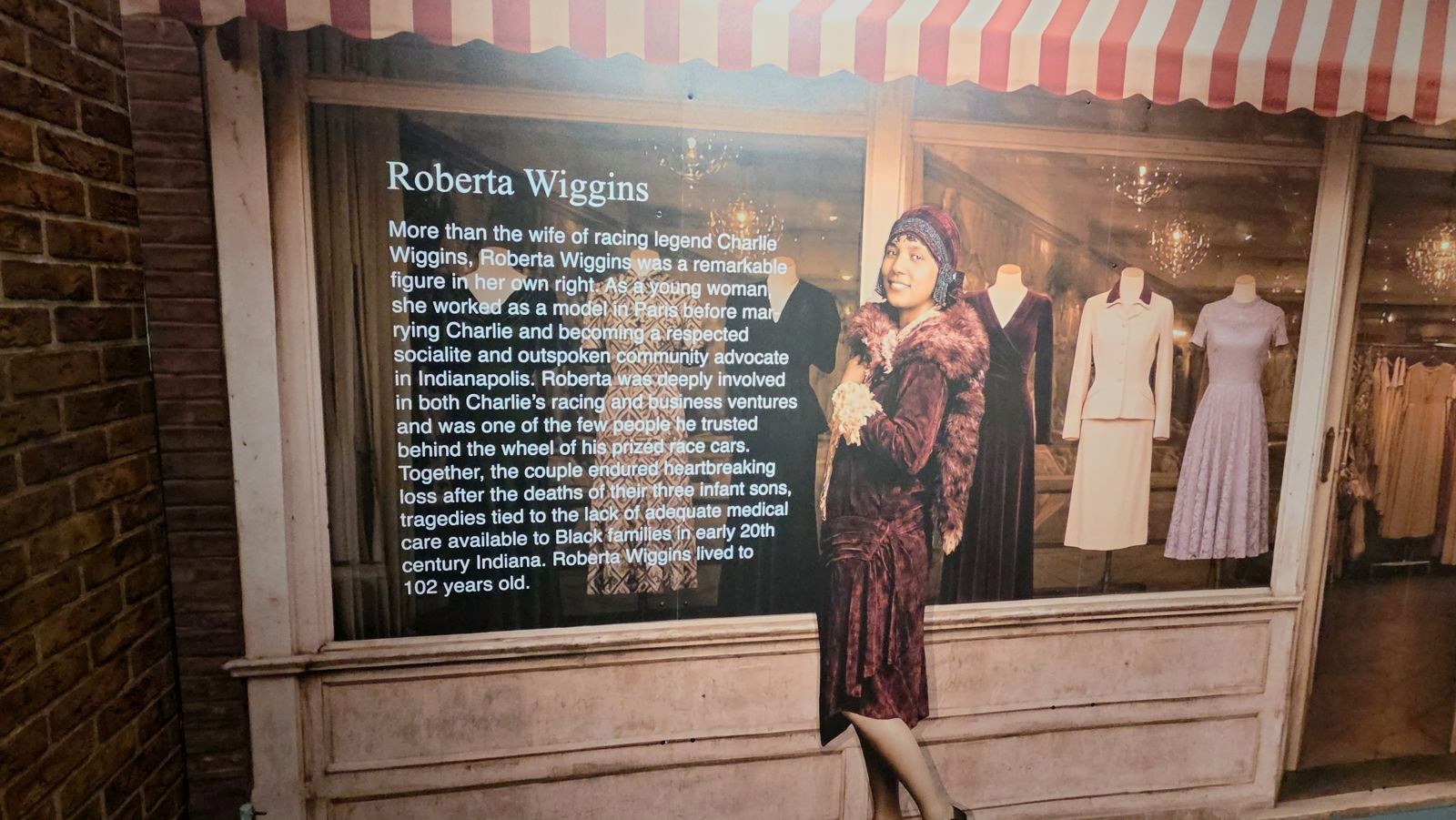
Roberta Wiggins, Charlie’s future wife and partner, is born. She works as a model in Paris before marrying Charlie and becomes a respected socialite and outspoken community advocate in Indianapolis.
Roberta Wiggins, honored in the For Gold & Glory exhibition.
1897
Charlie is born in Evansville, Indiana
Charlie Wiggins grows up fascinated by machines and teaches himself to repair engines while still a young man.
1911–1921
The Chevrolet brothers build Indianapolis into a speed capital
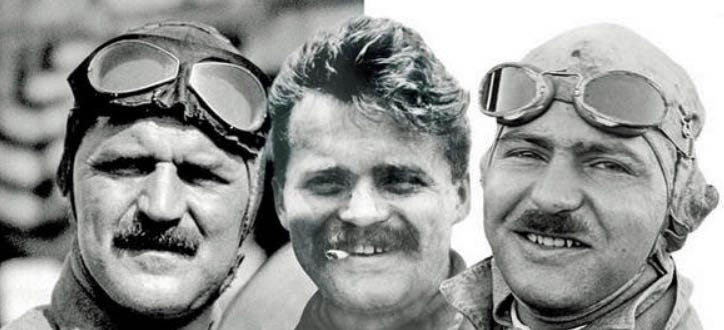
Louis and Arthur Chevrolet co-found the Chevrolet Motor Car Company in 1911, then move to Indianapolis to build Frontenac race cars. Gaston Chevrolet wins the 1920 Indianapolis 500 and a Frontenac wins again in 1921. Their affordable “Fronty” speed parts open racing up to everyday builders on dirt tracks across the Midwest.
Left to right: Louis, Arthur and Gaston Chevrolet.
Early 1920s
Charlie and Roberta move to Indianapolis
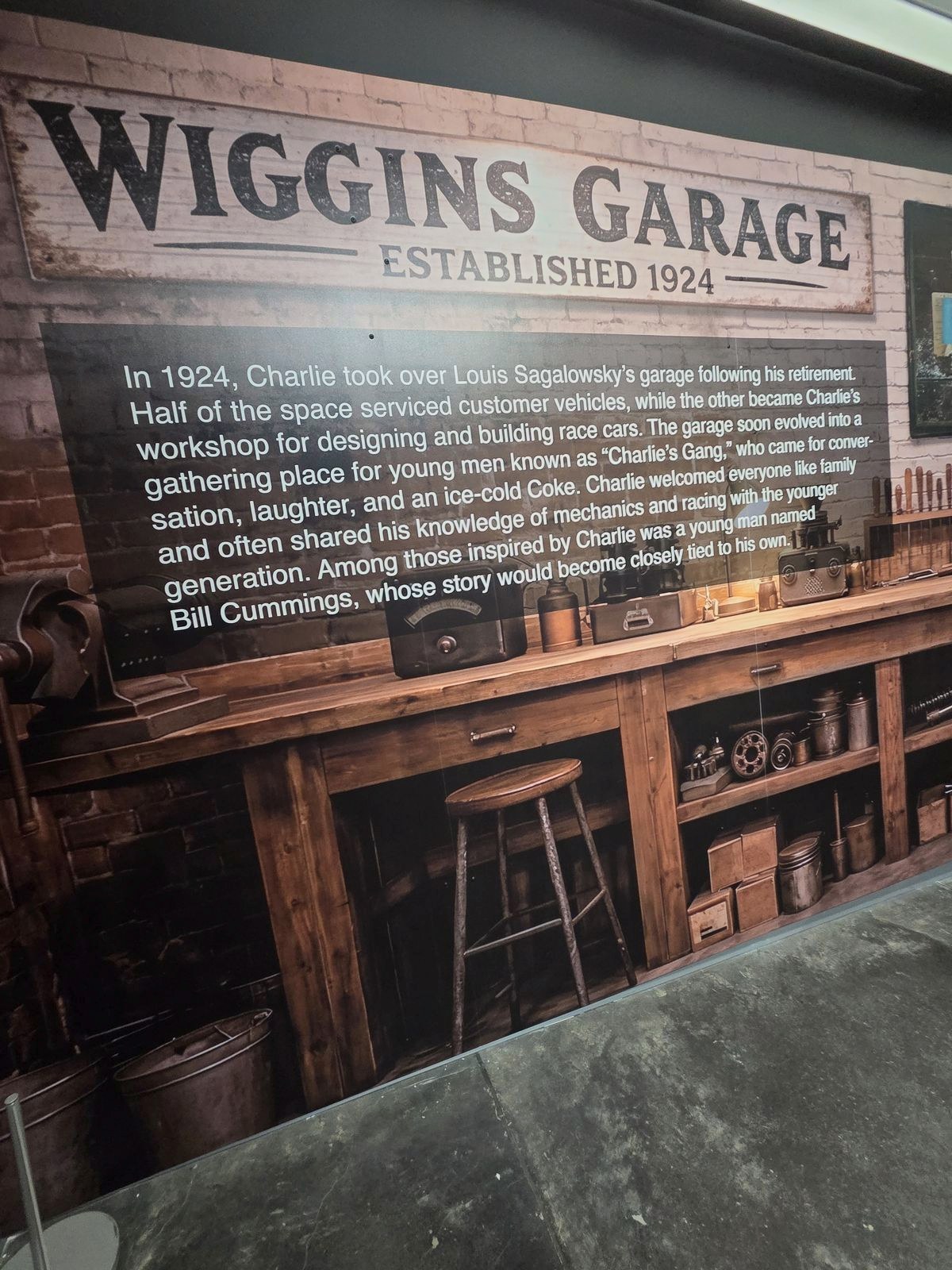
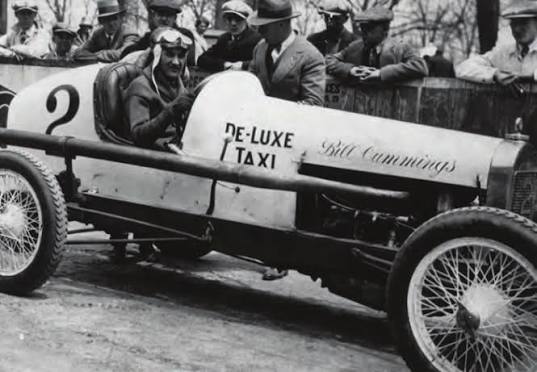
Charlie builds the Wiggins Special by hand and opens Wiggins Garage. The shop becomes a gathering place, and “Charlie’s gang” of young car lovers includes future Indy 500 winner Bill Cummings and a teenager the crew knows only as “Johnny.”
Wiggins Garage, recreated in the For Gold & Glory exhibition.
1924
The Colored Speedway Association is founded
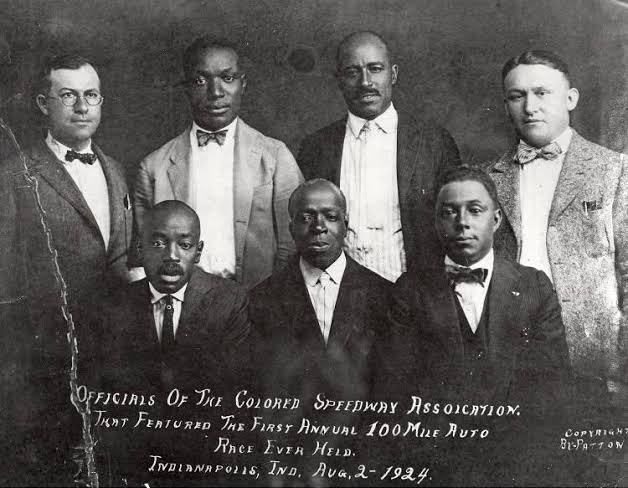
Black drivers are barred from the Indianapolis 500 and refused AAA racing licenses, so Indianapolis businessman William Rucker leads the creation of the Colored Speedway Association and serves as its president, joined by community leaders Harry Dunnington and attorney Robert Brokenburr, with backing from promoter Harry Earl and engineer Oscar Schilling. Their mission: give Black drivers a major race of their own, in the shadow of the Speedway and in a state where the Ku Klux Klan holds real political power.
Officials of the Colored Speedway Association, who staged the first annual 100-mile race, August 2, 1924.
August 2, 1924
The first Gold & Glory Sweepstakes
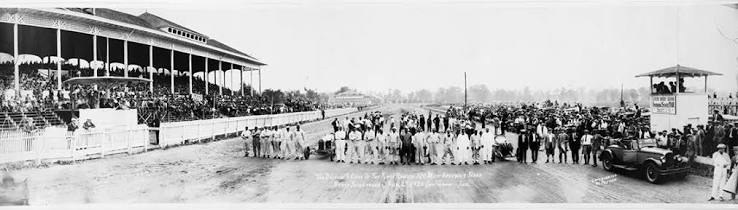
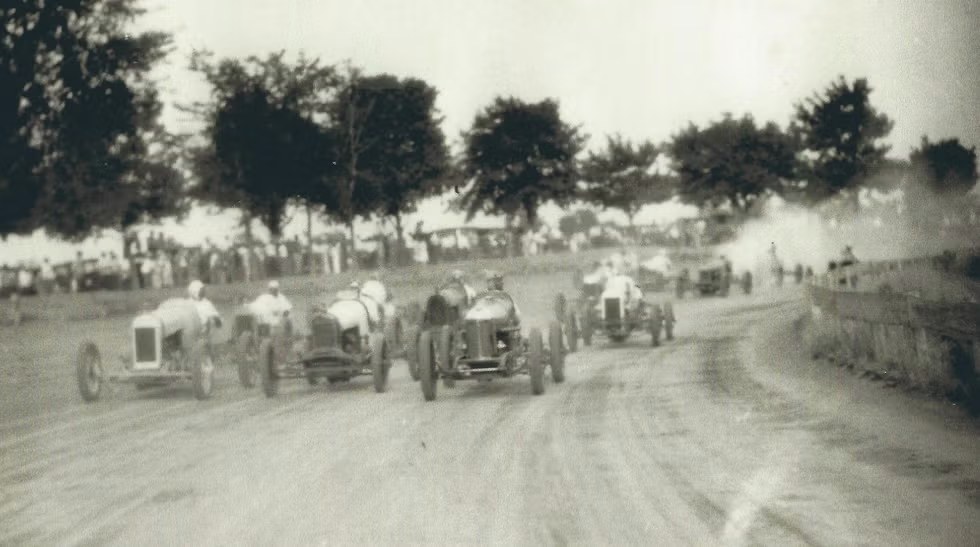
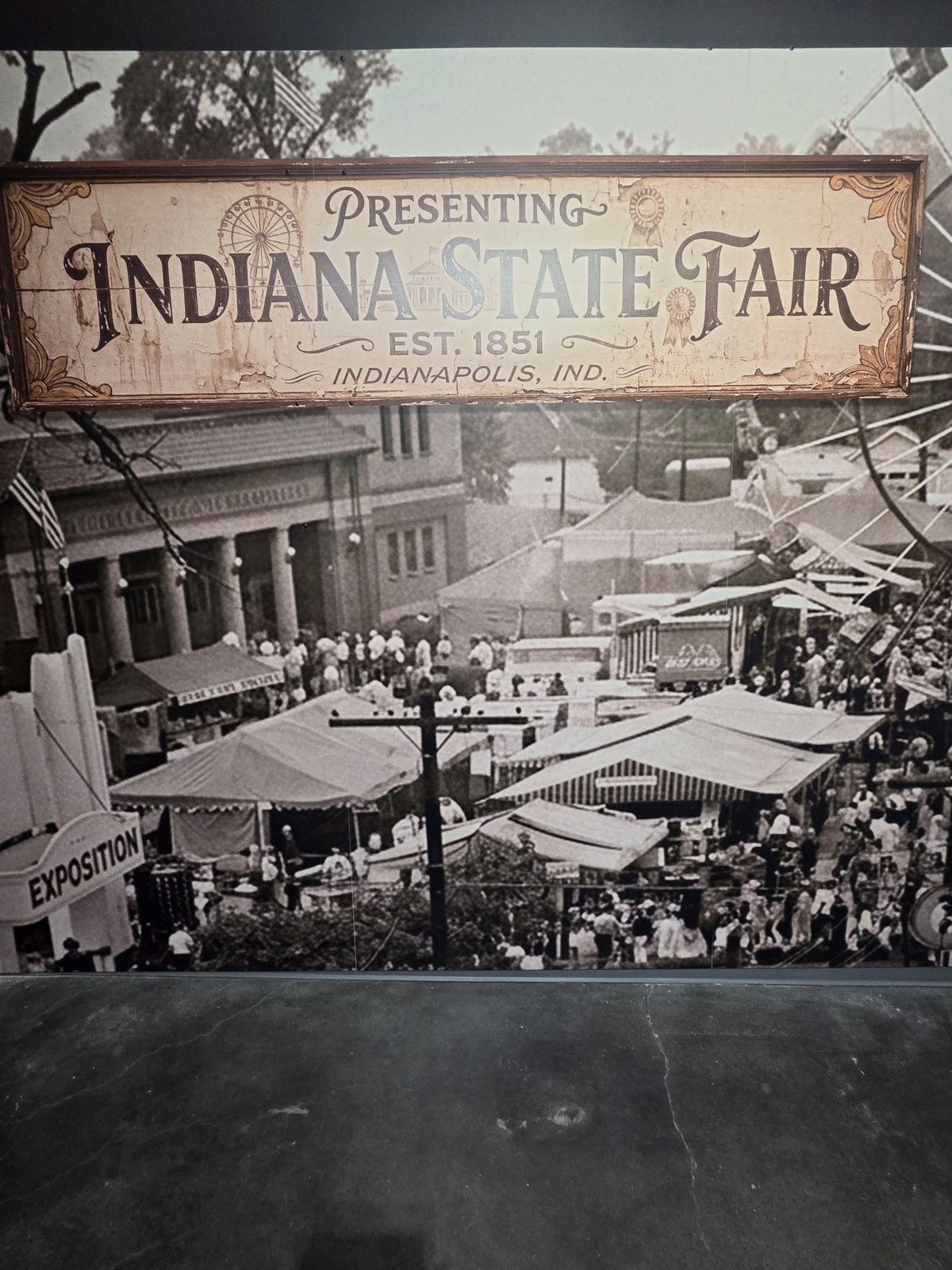
The Colored Speedway Association stages its first 100-mile race on the one-mile dirt oval at the Indiana State Fairgrounds, and about 10,000 fans fill the stands. Malcolm Hannon wins, and boxing champion Jack Johnson presents the trophy. Chicago Defender sports editor Frank “Fay” Young names the event the “Gold and Glory Sweepstakes,” and it becomes the premier annual race for Black drivers in America.
Drivers, officials and fans in front of the grandstand at the Gold & Glory Sweepstakes.
1920s–1930s
Chevrolet technology on the Gold & Glory grid
Louis and Arthur Chevrolet’s Frontenac and Fronty Ford equipment appears throughout the series, and Louis Chevrolet prepares Fronty Ford engines for Black competitors in the Colored Speedway Association. Wild Bill Jeffries buys a Frontenac race car from Louis and races it in early Gold & Glory events. The races become a competitive proving ground for the same performance technology developed around Indianapolis racing, while Black drivers themselves are barred from the sport’s premier events.
Gold & Glory race action at the Indiana State Fairgrounds.
1926
First championship
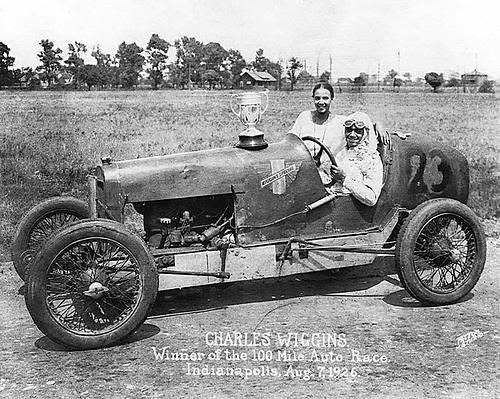
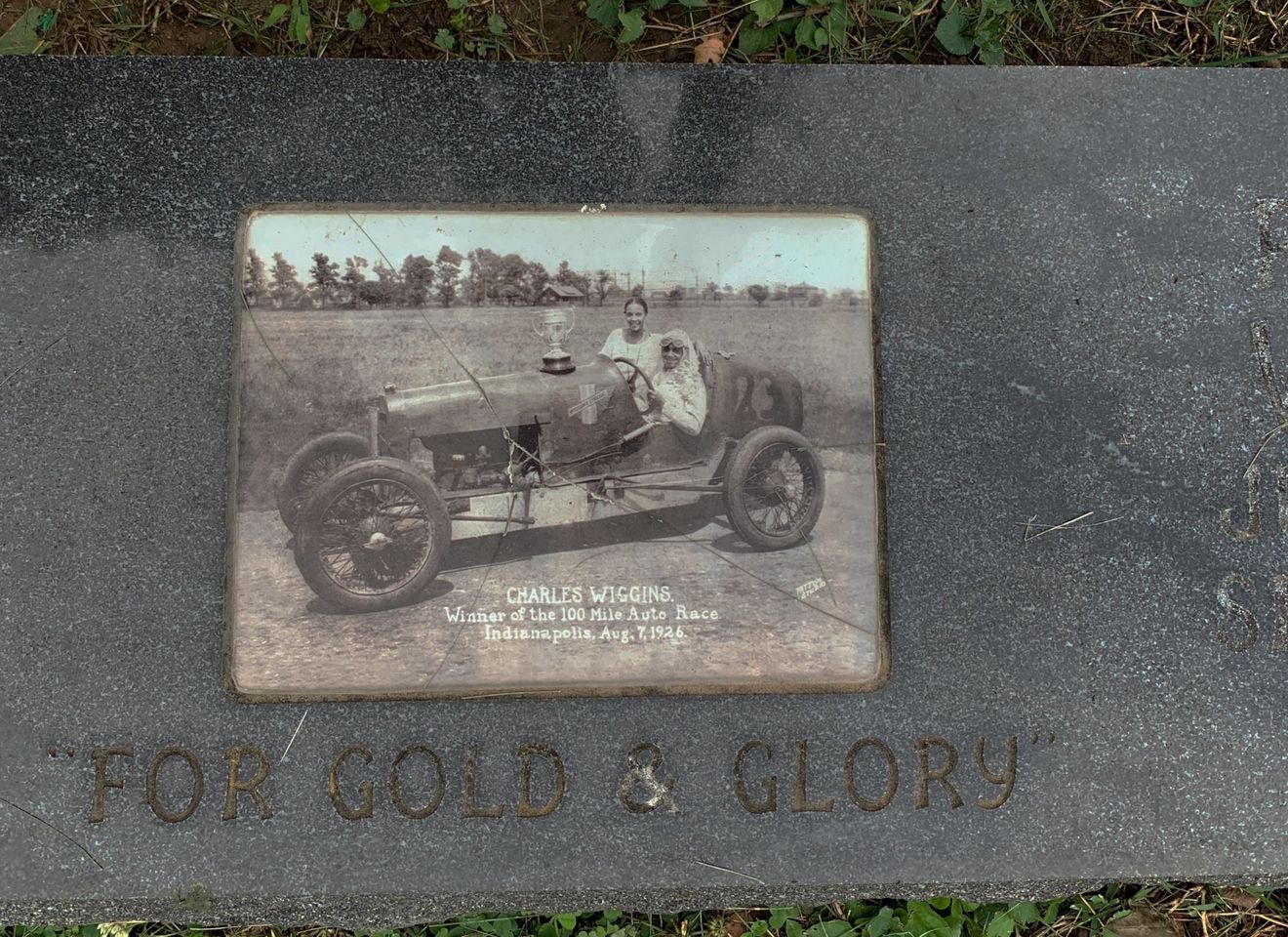
On August 7, 1926, Charlie wins Gold & Glory and earns the title “Negro Speed King.” Roberta is at his side, one of the few people he trusts behind the wheel of his race cars.
Charles Wiggins, winner of the 100 Mile Auto Race, Indianapolis, August 7, 1926.
1931–1933
Three more titles
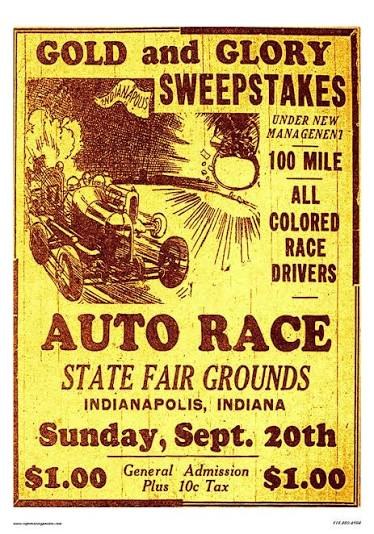
Charlie wins Gold & Glory again in 1931, 1932 and 1933, becoming the four-time champion of Black motorsport. In the 1931 field, his brother Lawrence Wiggins drives a Fronty Ford Special alongside Frontenacs, more Fronty Fords and a Chevrolet Special, so Chevrolet-brothers technology is literally racing beside the Wiggins family.
A Gold and Glory Sweepstakes poster: 100 miles, all colored race drivers, State Fair Grounds.
1933
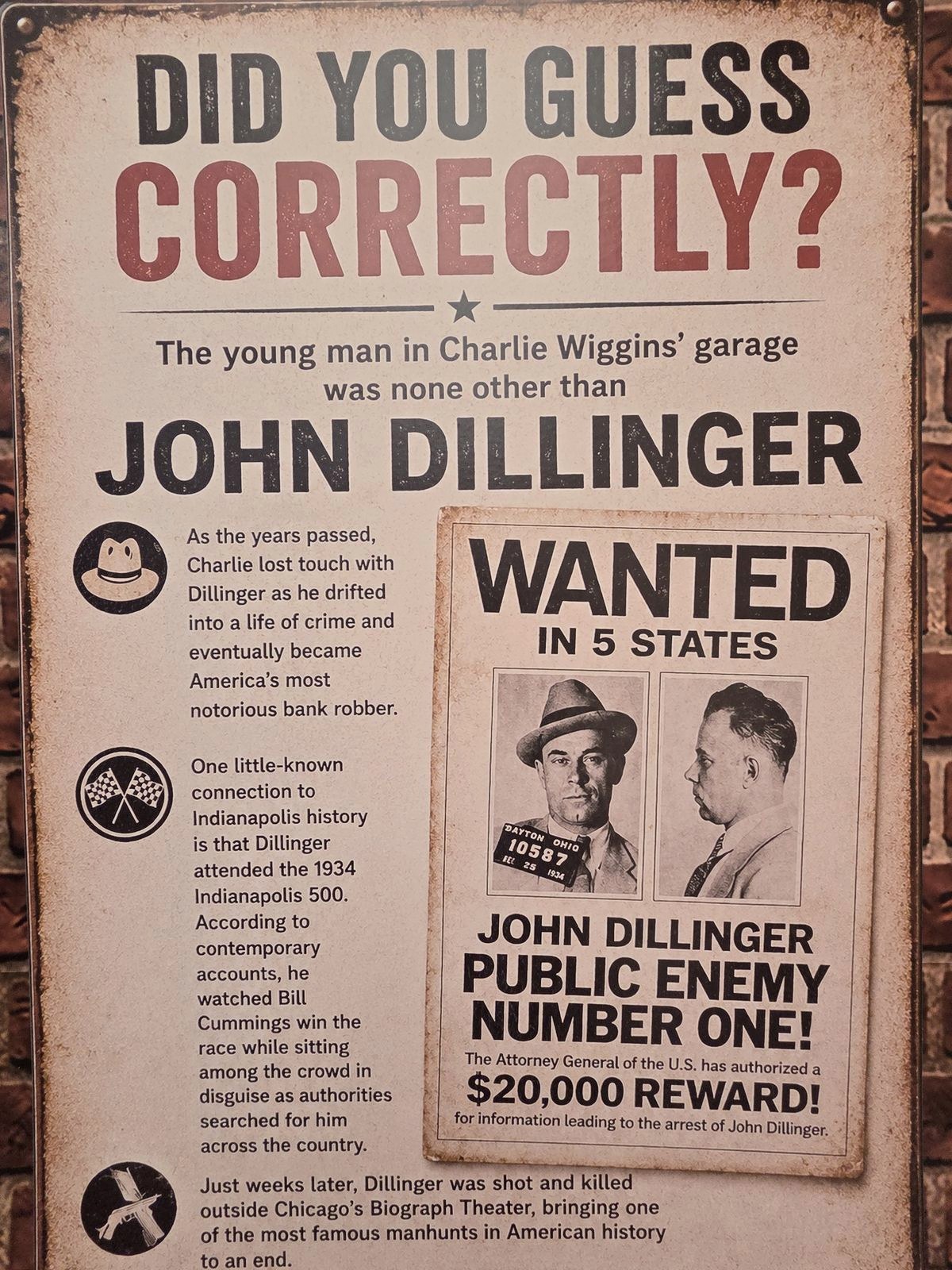
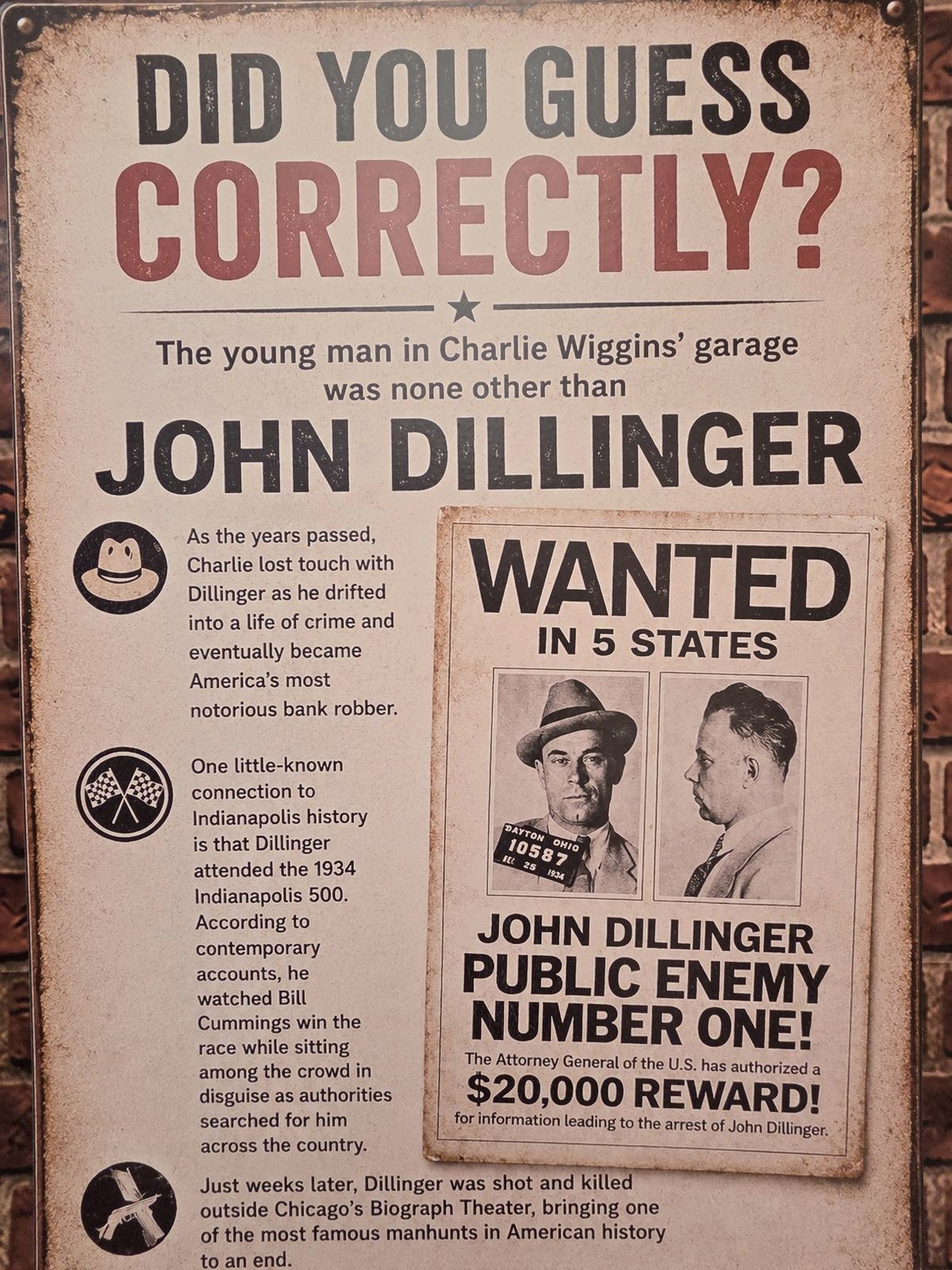
“Johnny” was John Dillinger
Charlie had lost touch with the young man from his garage, the same “Johnny” he once went hunting and fishing with. In the summer of 1933 he recognizes the face on the front page: John Dillinger, soon to be America’s most notorious bank robber.
The John Dillinger panel in the For Gold & Glory exhibition.
1934
Bill Cummings wins the Indy 500, with Charlie in secret
Black mechanics are barred from the Speedway, so Bill Cummings brings Charlie in disguised as a janitor. Charlie sweeps floors by day and works on the Boyle Products Special by night. Cummings wins the 1934 Indianapolis 500 at record speed. Dillinger, a wanted man, reportedly watches from the crowd in disguise.
Bill Cummings at the wheel.
1936
The crash and the end of an era
A multi-car crash at the final Gold & Glory costs Charlie his leg and an eye. Without its biggest star, and strained by the Great Depression, the Colored Speedway Association folds after the 1936 season. Charlie keeps working, building and mentoring for decades.
1979
A life of building
Charlie Wiggins passes away in Indianapolis.
1998
Roberta’s voice
Roberta Wiggins passes away at 102. Her firsthand memories, preserved in the PBS documentary For Gold and Glory, keep the true story alive.
2003
A name in stone
After more than two decades in an unmarked grave, Charlie and Roberta receive a headstone at Crown Hill Cemetery, showing the couple with the 1926 Gold & Glory trophy.
Photo: Crown Hill Foundation, CC BY 4.0, via Wikimedia Commons.
2021
Automotive Hall of Fame
Charlie Wiggins is inducted into the Automotive Hall of Fame.
2026
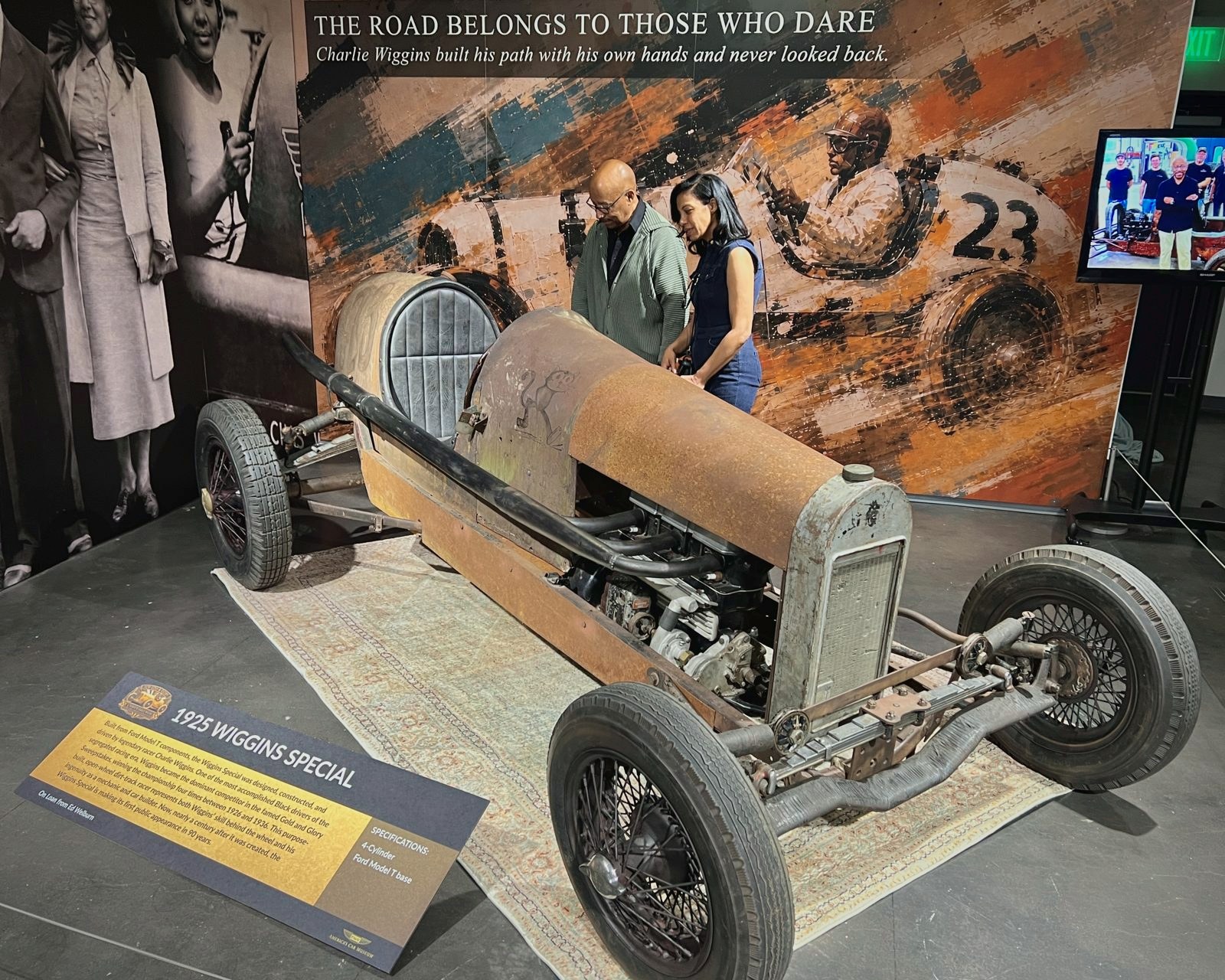
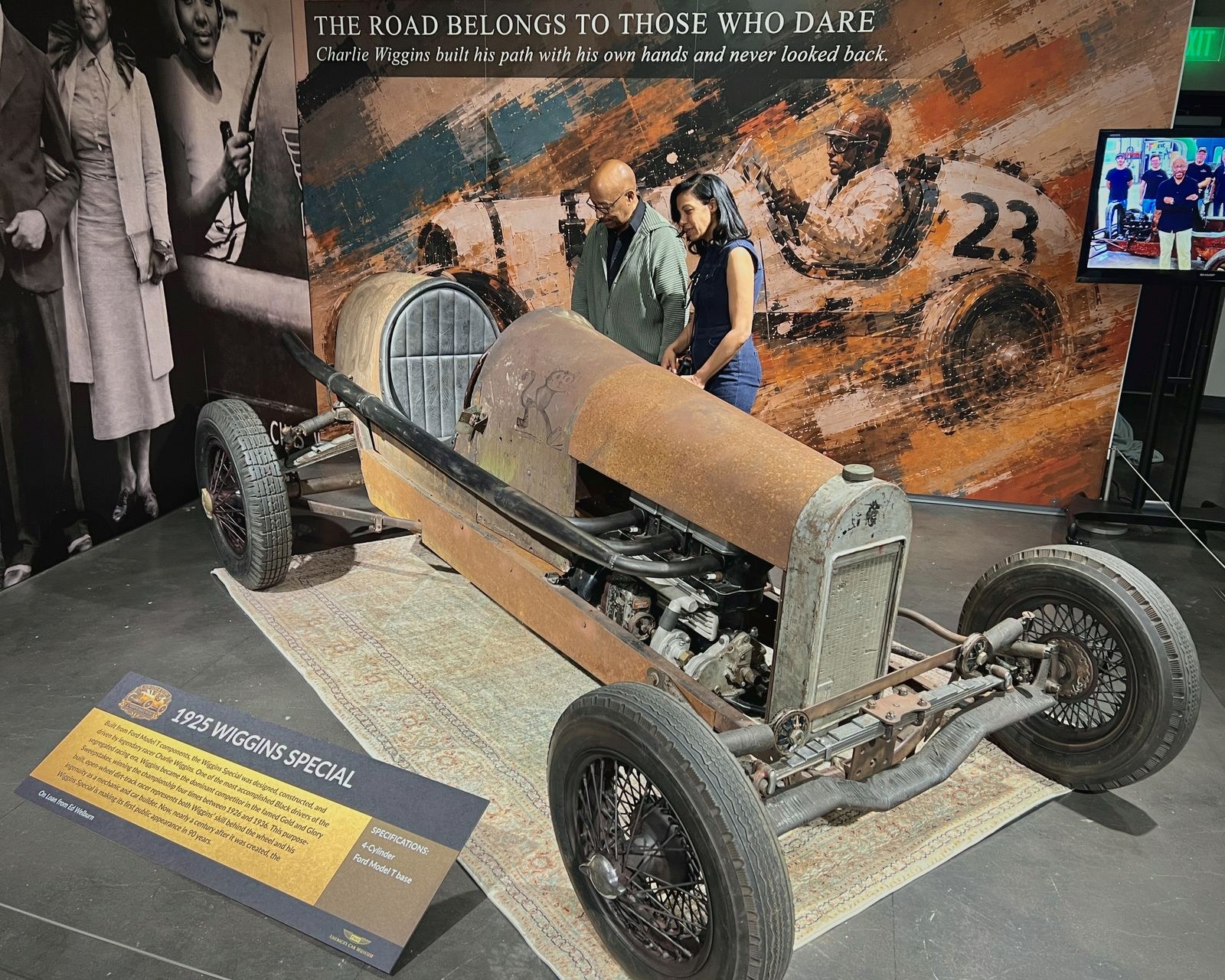
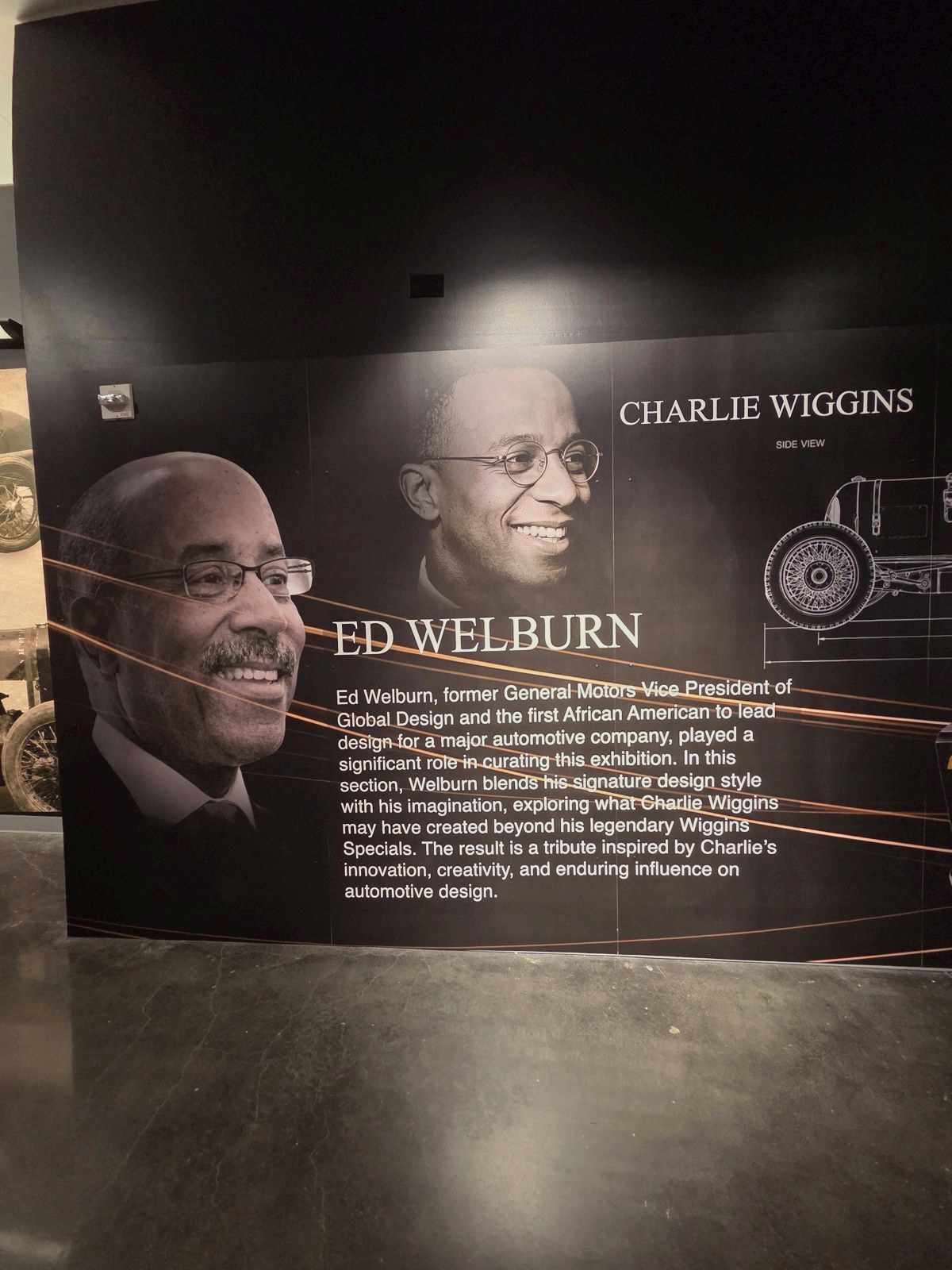
Ed Welburn finds the Wiggins Special
After nearly 20 years of searching, Ed Welburn, former GM Vice President of Global Design, locates Charlie’s Wiggins Special in a warehouse in Dayton, Ohio. As guest curator, he brings it home to the world in For Gold & Glory at LeMay – America’s Car Museum, opening September 19, 2026.
Ed Welburn and Michelle Martin with the 1925 Wiggins Special.
The Gold & Glory Sweepstakes was the premier racing event for Black drivers, held in Indianapolis from 1924 to 1936, at a time when segregation kept Black competitors out of the sport’s most prominent events. Thousands of fans filled the stands each year.
Its dominant star was Charlie Wiggins, known as much for what he could build and repair as for what he could do behind the wheel.
Charlie’s story cannot be told without Roberta Wiggins, a respected community figure who was deeply involved in his business and racing life, and one of the few people he trusted behind the wheel of his race cars.
The people in Charlie’s story
Charlie’s legacy runs through his wife, the drivers he mentored, the builders who shaped his sport, and the man who brought his car back to the world.
Roberta Wiggins
Partner, advocate, keeper of the story (1896–1998)
A former Paris model, Roberta was deeply involved in Charlie’s racing and business ventures and was one of the few people he trusted behind the wheel. Together they endured the loss of three infant sons, a tragedy tied to the lack of medical care for Black families in early 20th-century Indiana. She lived to 102, and her voice helped bring Charlie’s story back.
Bill Cummings
1934 Indianapolis 500 winner
An Indianapolis driver who grew up around Wiggins Garage as one of “Charlie’s gang,” Cummings never stopped admiring Charlie’s skill. In 1934 he snuck Charlie into the Speedway disguised as a janitor so he could prepare the Boyle Products Special. Cummings won the race at record speed.
John Dillinger
The boy from the garage
As a teenager called “Johnny,” he hung around Charlie’s garage, loved fast Fords, and watched Charlie test race cars near his hometown of Mooresville. Years later Charlie saw that same face in the newspaper. Dillinger reportedly watched Cummings win the 1934 Indy 500 from the crowd, in disguise, weeks before he was killed.
The Chevrolet Brothers
Louis, Arthur & Gaston Chevrolet
Photo: Left to right: Louis, Arthur and Gaston Chevrolet
After co-founding Chevrolet, Louis and Arthur built Frontenac race cars in Indianapolis, and Gaston won the 1920 Indy 500. Their Frontenac and Fronty Ford equipment ran throughout Gold & Glory: Louis Chevrolet prepared engines for Black racers, and drivers such as Wild Bill Jeffries, Bobby Wallace, Barney Anderson and Charlie’s brother Lawrence Wiggins competed with Chevrolet-brothers machinery. Black drivers were shut out of mainstream racing, yet their talent was valuable enough for leading engineers to put serious equipment in their hands. Gold & Glory was part of the same ecosystem that produced Indianapolis racing technology.
Ed Welburn
Former GM VP of Global Design · Guest curator
The first African American to lead design at a major automaker, Ed Welburn spent nearly 20 years searching for the Wiggins Special and found it in a Dayton, Ohio warehouse. Without Ed there is no recovered car and no museum exhibit. He curated For Gold & Glory at LeMay and contributed original designs as a tribute to Charlie’s creativity.
Four-time Gold & Glory champion
1926
Charlie Wiggins
1931
Charlie Wiggins
1932
Charlie Wiggins
1933
Charlie Wiggins
What Charlie teaches our students
Every UYRS student learns that the race is bigger than the driver’s seat.
Engineering
Charlie built and tuned his own cars from scratch. Students learn how engines, chassis and handling work.
Problem-solving
When the doors were closed, he built a new path. Students learn resilience and creative thinking.
Entrepreneurship
Wiggins Garage was a thriving Black-owned business. Students see that skills can build ownership.
Teamwork
Charlie and Roberta were partners in business and racing. Students learn that every win takes a crew.
Photo Gallery
Historic images of Charlie Wiggins and the Gold & Glory Sweepstakes, scenes from For Gold & Glory at LeMay – America’s Car Museum, and UYRS at the opening. Tap any photo to enlarge.
Photos from the For Gold & Glory exhibition and opening courtesy of Robert Chisolm, chisolmphotowerx.com. Please contact him for permission to reuse.
Keep learning
Read Todd Gould’s book For Gold & Glory: Charlie Wiggins and the African-American Racing Car Circuit, the definitive history of Charlie and the Gold & Glory Sweepstakes.
Go see it in person
For Gold & Glory: The Charlie Wiggins Story is on view at LeMay – America’s Car Museum. See the Wiggins Special, learn about Roberta, and step into Wiggins Garage.